
Aggravated DWI: What You Need to Know
Aggravated DWI in Missouri: What It Means for You
An aggravated DWI in Missouri refers to a driving while intoxicated charge that includes additional factors making the offense more serious than a standard DWI. While Missouri law does not always use the term “aggravated” as a formal charge, courts and prosecutors commonly use it to describe DWIs involving heightened circumstances.
A DWI may be considered aggravated when a driver has a very high blood alcohol concentration (BAC)—often 0.18% or higher—or when the incident involves injury to another person, property damage, or prior DWI convictions. Other factors, such as driving with a minor in the vehicle or being impaired by drugs, may also increase the severity of the charge.
Because aggravated DWI cases involve enhanced penalties and greater scrutiny, understanding what elevates a standard DWI is critical. At The Law Offices of Brian J. Cooke, we help individuals in Missouri understand how aggravated DWI laws may apply to their situation and what options may be available early in the process.
Common Circumstances That May Lead to Aggravated DWI
Driving while intoxicated can escalate to aggravated charges under various conditions. One key scenario is driving with a high BAC beyond the legal limit. When someone’s BAC is significantly over the limit, it poses substantial risks, increasing the likelihood of severe penalties.
In the presence of minors, the stakes are even higher. Driving while intoxicated with a child in the car can also lead to additional charges of child endangerment.
Involvement in an accident while under the influence can dramatically change a DWI charge. If bodily harm occurs, this can elevate the charge to an aggravated DWI. The consequences are even more serious if there are fatalities.
Repeated infractions also amplify the situation. Multiple prior offenses suggest a pattern of risky behavior, prompting harsher punishments.
The influence of substances other than alcohol can result in aggravated charges too. Operating a vehicle while impaired by drugs, even those approved for medical use, can be considered as serious as drunk driving. In Missouri, it’s acknowledged that driving high is treated similarly to a DWI.
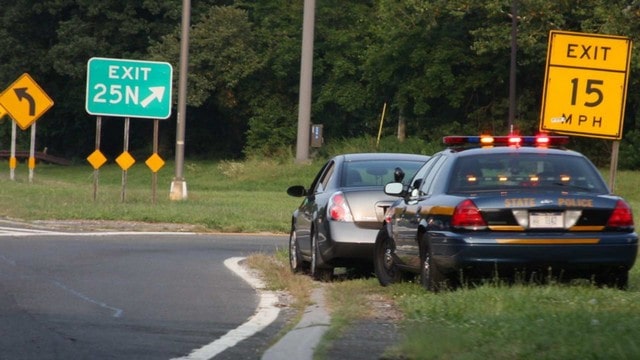
Potential Penalties and Long-Term Consequences
Aggravated DWI charges in Missouri can result in significantly harsher penalties than a standard DWI. Depending on the circumstances, a conviction may lead to higher fines, longer periods of incarceration, and extended license revocation. Courts may also require the installation of an ignition interlock device (IID) before any driving privileges are restored.
In many aggravated DWI cases, the offense may be charged as a felony, which can carry long-term legal consequences. Felony convictions may result in probation, community service, mandatory treatment programs, or extended supervision. The specific penalties depend on factors such as prior offenses, injuries, or the presence of aggravating conditions at the time of arrest.
Beyond court-imposed penalties, an aggravated DWI conviction can have lasting effects on employment opportunities, professional licensing, insurance rates, and personal reputation. Because these consequences often extend well beyond the courtroom, understanding the potential impact of an aggravated DWI is essential when evaluating next steps.

Steps to Take Immediately After an Arrest
When arrested for an aggravated DWI, the situation can seem daunting. Our emotions may run high, but it’s crucial to remain calm and focused on the next steps. Remember, these initial actions can significantly impact the outcome of your case.
- Gather and document as many details as possible. What were the officer’s actions? How was the sobriety test administered? Writing down this information can be valuable.
- Seek legal advice promptly. A qualified attorney can provide you with insights that might not be immediately obvious. You can utilize their experience to ensure your rights are protected. Speaking alone to law enforcement might lead to unintentional self-incrimination.
- Do not make statements without your lawyer present. It’s natural to want to explain, but this can be risky without proper legal guidance.
- After securing legal representation, stay in touch with your attorney to understand the proceedings. Working closely with them ensures you take the right steps and build a strong defense together.

Potential Defenses to Aggravated DWI in Missouri
Several legal defenses may help challenge an aggravated DWI charge in Missouri, though their strength depends on the case.
- Unlawful Stop: Police must have reasonable suspicion to pull you over. If the stop was invalid, all evidence gathered may be thrown out, potentially leading to dismissal.
- Faulty Sobriety or Breath Tests: Field sobriety tests can be unreliable due to medical conditions or poor testing conditions, and breathalyzers may produce inaccurate results if improperly calibrated or administered.
- Insufficient Evidence of Impairment: If there was no erratic driving, no clear signs of intoxication, or unclear test results, the prosecution may lack enough proof.
How The Law Offices of Brian J. Cooke Can Help
Facing an aggravated DWI charge can feel overwhelming, especially when the consequences may affect your freedom, license, and future. Having clear guidance and legal support can help you better understand what comes next and how to respond.
At The Law Offices of Brian J. Cooke, we work with individuals facing aggravated DWI charges in Missouri by reviewing the facts of their case, explaining available options, and protecting their rights throughout the legal process. We focus on helping clients navigate both the criminal and administrative aspects of these charges with clarity and care.
If you are facing an aggravated DWI, you do not have to handle it alone. Contact The Law Offices of Brian J. Cooke today to schedule a confidential, free consultation and discuss your next steps.

FAQ
What qualifies someone as an “aggravated offender” under Missouri DWI law?
In Missouri, an “aggravated offender” is a driver who has been convicted of three or more intoxication-related traffic offenses (such as DWI, DUI, or similar offenses). After reaching that status, any new DWI charge is elevated in severity—treated more harshly under Missouri law.
How is an “aggravated DWI” different from a standard DWI in Missouri?
A standard DWI in Missouri is typically punished as a misdemeanor (depending on prior record and circumstances). Once a person is designated as an aggravated offender, DWI charges against them become felonies (Class D), regardless of whether the new incident involved injury or a very high blood alcohol content. The classification triggers enhanced sentencing rules and limits on probation or parole.
What are common penalties for an aggravated DWI in Missouri?
Penalties may include:
- A minimum 60 days in jail, with no eligibility for probation or parole until that time is served
- Fines and fees (which are substantially higher for felony offenses)
- Long-term or permanent suspension of driving privileges
- Use of ignition interlock devices
Criminal record with felony status, which may affect employment, housing, and other civil consequences
What is the aggravated DWI legal process like?
The process generally follows these steps:
- Arrest and booking on the aggravated DWI charge
- Arraignment before a court
- Discovery and pretrial motions (for example, challenging the traffic stop, testing procedure, or prior conviction records)
- Plea negotiations or trial
Sentencing if convicted, where the enhanced penalties for aggravated status are applied
What are my rights and the risks in an aggravated DWI case?
Rights: You have the right to legal counsel, to confront and cross-examine witnesses, to challenge evidence (e.g. breath or blood testing procedures), and to seek reductions or alternative outcomes.
Risks: Because aggravated DWI is a felony, the risks are greater: you could face substantial jail time, loss of driving rights, and lasting impacts on your criminal record and civil life. Failing to challenge prior convictions properly or not raising key defense issues can make your situation worse.