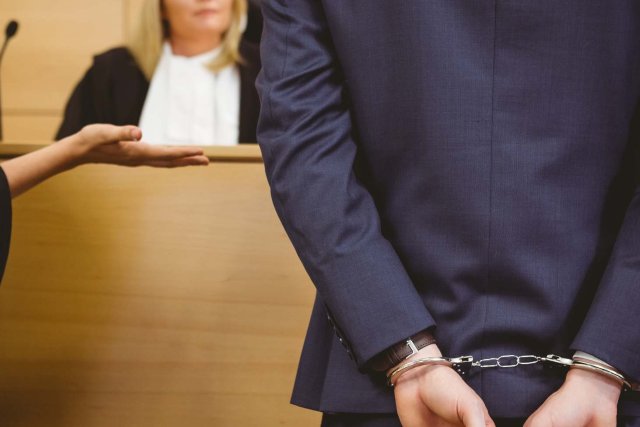
Protect Your Rights with a Skilled DWI Lawyer in Florissant
Your Trusted DWI Lawyer in Florissant
Driving While Intoxicated (DWI) refers to operating a vehicle under the influence of alcohol or drugs, impairing your ability to drive safely. Laws surrounding DWI are designed to ensure road safety and impose penalties on individuals whose actions may endanger others.
A DWI charge typically involves both criminal and administrative consequences, including potential fines and court costs, driver’s license suspension or revocation, jail time or imprisonment, and mandatory ignition interlock device installation.
Understanding DWI laws is critical because the consequences can significantly impact your life. From criminal records to employment challenges and higher insurance rates, a DWI conviction can have lasting effects.
Addressing a DWI charge promptly and effectively can make a meaningful difference in minimizing these outcomes and protecting your future. Time-sensitive administrative hearings must be requested within strict deadlines to preserve your driving privileges.
At The Law Offices of Brian J. Cooke, we are a dedicated law firm helping clients navigate the legal challenges of DWI charges throughout Florissant, MO, Jefferson County, and Charles County. We provide personalized legal defense and representation to ensure your constitutional rights are protected. Whether it’s understanding the legal landscape in St. Louis County or building a strong dwi defense strategy, we work tirelessly to pursue the best possible resolution for your case.

Understanding DWI Charges in Florissant
Driving while intoxicated (DWI) is a serious concern for many residents in Florissant, MO. This section discusses key aspects of DWI charges, including legal definitions, Missouri DWI laws, and the possible consequences of a conviction. Our goal is to provide clear, relevant information to help readers grasp the intricacies behind DWI charges.
What Is a DWI?
A DWI (Driving While Intoxicated) is a criminal offense in Missouri that occurs when a person operates a motor vehicle under the influence of alcohol, drugs, or other impairing substances. The state has strict laws to prevent impaired driving, and being caught driving with a blood alcohol concentration (BAC) at or above the legal limit of 0.08% is considered a DWI.
However, even if your BAC is below the legal limit, you can still be charged with a DWI if your ability to drive is impaired by drugs or alcohol, a police officer observes signs of impairment during field sobriety tests, or you fail field sobriety tests administered at the scene.
Missouri’s DWI Laws
Missouri sets specific blood alcohol concentration (BAC) limits that drivers must adhere to. Most drivers face a 0.08% BAC legal limit, while commercial drivers have a stricter 0.04% BAC threshold, and underage drivers under 21 are subject to a 0.02% BAC limit.
Penalties vary significantly based on prior offenses and aggravating circumstances. First-time offenders can expect fines, driver’s license suspension, and possible jail time. Repeat offenders face increased fines, longer suspension periods, mandatory educational programs, and potential felony dwi charges.
Consequences of a DWI Conviction
A DWI conviction brings several potential penalties that extend beyond criminal court. These include fines, driver’s license suspension, and potential jail time, depending on the offense’s severity and the number of prior offenses.
Additional consequences may include increased insurance rates, lasting effects on criminal records, employment and professional licensing impacts, mandatory installation of an ignition interlock device, and required completion of substance abuse programs.
These consequences highlight the importance of effective legal defense. Understanding the full scope of these penalties helps individuals appreciate the grave nature of DWI offenses in Missouri.

DWI Penalties and Legal Consequences
Understanding the specific penalties for DWI convictions in Missouri is crucial for anyone facing these charges. Penalties escalate significantly with repeat offenses and aggravating factors.
DWI Penalty Breakdown by Offense Level
First Offense DWI
- Jail Time: Up to 6 months
- Fines: Up to $1,000 plus court costs
- License Suspension: 30 days, followed by 60-day restricted driving period
- Ignition Interlock: May be required for restricted driving
- Additional Requirements: Possible substance abuse program
Second Offense DWI
- Jail Time: Up to 1 year
- Fines: Up to $2,000 plus court costs
- License Suspension: 1 year denial period
- Ignition Interlock: Required for 6 months after reinstatement
- Additional Requirements: Mandatory substance abuse treatment
Third Offense and Beyond (Felony DWI)
- Classification: Class E felony (third offense) or Class D felony (persistent offender)
- Prison Time: Up to 4 years (Class E) or up to 7 years (Class D)
- Fines: Up to $10,000
- License Denial: 10 years for persistent offender status
- Ignition Interlock: Required for 6 months after reinstatement
Aggravating Factors & Enhanced Penalties
Certain circumstances can significantly increase DWI penalties, including high BAC levels of 0.15% or above which trigger extended license suspension periods, having minor passengers in the vehicle which results in enhanced criminal penalties, accidents with injuries or fatalities that can lead to potential felony charges, driving with a suspended or revoked license which adds additional criminal charges, and refusal to submit to chemical testing which causes extended license suspension.
Driver’s License Impacts Beyond Criminal Court
DWI convictions affect driving privileges through both criminal court and administrative proceedings, resulting in immediate license suspension upon arrest, point assessment on your driving record with 8 points for DWI, SR-22 insurance requirement for reinstatement, and potential vehicle impoundment in repeat offense cases.

Administrative License Suspensions and the 15-Day Rule
Missouri’s administrative license suspension process operates separately from criminal DWI proceedings and has strict time requirements that can permanently affect your driving privileges.
The Critical 15-Day Window
After a DWI arrest, you have exactly 15 days to request an administrative hearing to contest your license suspension. This deadline is absolute and cannot be extended. Failing to request a hearing within this timeframe results in automatic license suspension taking effect, loss of right to contest the administrative suspension, and no opportunity for restricted driving privileges during the suspension period.
Administrative Hearing Process
If you timely request an administrative hearing, you will receive a temporary driving permit issued until the hearing date, participate in a hearing before an administrative law judge (not criminal court), understand that the hearing has a limited scope focusing on arrest circumstances and test results, and recognize that this process is separate from your criminal case with different standards of proof.
Consequences of Missing the Deadline
The administrative suspension proceeds automatically if no hearing is requested. For first offenses, this means a 30-day suspension followed by a 60-day restricted period, while repeat offenses or test refusal result in extended suspension periods. During this time, no restricted driving privileges are available, and reinstatement requires meeting specific requirements including fees and proof of insurance.
This administrative process emphasizes why immediate contact with experienced criminal defense attorneys is essential after any DWI arrest.

Missouri’s Implied Consent Law & Test Refusal
Missouri’s implied consent law significantly impacts DWI cases and creates automatic consequences for drivers who refuse chemical testing.
Understanding Implied Consent
By obtaining a Missouri driver’s license, all drivers give implied consent to chemical testing when lawfully arrested for DWI. This means police officers can request breath, blood, or urine tests, refusal triggers automatic penalties separate from criminal charges, and test results can be used as evidence in criminal proceedings.
Consequences of Refusing Chemical Tests
Refusing to submit to chemical testing results in automatic 1-year license revocation for a first refusal, extended revocation periods for subsequent refusals, no restricted driving privileges during the revocation period, and potential use against you in criminal court as evidence of “consciousness of guilt.”
Strategic Considerations
The decision to refuse testing involves complex legal considerations including immediate administrative penalties versus potential criminal evidence, prior offense history affecting revocation periods, strength of other evidence in the case, and long-term impacts on driving privileges and employment.
Common Legal Defenses to DWI Charges
Effective dwi defense requires thorough examination of every aspect of your case. Experienced criminal defense attorneys can identify multiple defense strategies that may result in charge reduction or dismissal.
Challenging the Traffic Stop
Effective dwi defense begins with examining whether the initial traffic stop was lawful. This includes reviewing whether police had reasonable suspicion for the initial stop, whether detention extended beyond the scope of the traffic violation, whether pretextual stops occurred without valid traffic violations, and whether constitutional violations occurred during the roadside investigation.
Field Sobriety Test Challenges
Field sobriety tests are often improperly administered or affected by external factors. Common challenges include improper administration of standardized tests, medical conditions affecting test performance, environmental factors such as weather, lighting, or road conditions, and officer training and certification issues.
Chemical Test Defenses
Chemical test results can be challenged on multiple grounds. These include breathalyzer calibration and maintenance record issues, blood test chain of custody and laboratory procedure problems, rising BAC defense involving alcohol absorption timing, and medical conditions affecting test accuracy such as diabetes or GERD.
Constitutional and Procedural Defenses
Constitutional violations can result in evidence suppression or case dismissal. Key areas include Miranda rights violations during questioning, unlawful search and seizure of vehicle or person, probable cause challenges for arrest, and due process violations in administrative proceedings.
Evidence and Witness Challenges
Challenging the prosecution’s evidence and witnesses can create reasonable doubt. This involves examining police officer testimony for inconsistencies, reviewing video evidence that may contradict officer reports, assessing witness credibility and observation conditions, and presenting expert testimony to challenge prosecution evidence.

Special Circumstances and Driver Groups
Certain drivers face enhanced penalties and unique legal challenges under Missouri DWI law.
Commercial Driver’s License (CDL) Holders
CDL holders face stricter standards and more severe consequences including a lower BAC threshold of 0.04% while operating commercial vehicles, automatic CDL disqualification for any DWI conviction, employment consequences often more severe than legal penalties, and limited options for restricted licenses in commercial vehicles.
Underage DWI (Under 21)
Missouri has zero-tolerance policies for underage drinking and driving. A 0.02% BAC threshold triggers penalties, automatic license suspension of 30 days follows, educational programs and substance abuse evaluation are required, and parent or guardian notification requirements apply.
Repeat Offenders and Habitual Offenders
Multiple DWI convictions create escalating consequences including Persistent Offender status after a third conviction, extended prison sentences and license denial periods, limited eligibility for alternative sentencing programs, and lifetime implications for driving privileges.
Expungement & Future Consequences
Understanding the long-term impact of DWI convictions and available relief options is crucial for making informed decisions about your case.
Record Retention and Impact
DWI convictions remain on your record and can affect employment background checks and professional licensing, insurance rates for years after conviction, future DWI charges as prior offenses for penalty enhancement, and immigration status for non-citizens.
Expungement Eligibility
Missouri allows limited expungement of DWI convictions under specific circumstances. Only first-time offenses are eligible for expungement, with a 10-year waiting period after completion of sentence required. You must have no subsequent alcohol-related convictions during the waiting period, and court approval is required through a formal petition process.
Alternative Record Relief
When expungement isn’t available, record sealing may be possible in limited circumstances, pardons through the Governor’s office may be considered for exceptional cases, and professional licensing rehabilitation programs exist in some fields.
For official information about expungement procedures and eligibility, consult the Missouri Courts website or contact our law firm for personalized guidance.

Steps to Take After a DWI Arrest
Facing a DWI arrest can be overwhelming, but taking the right steps immediately can significantly affect the outcome. Our focus is on providing practical advice for each critical stage, from compliance during arrest to securing experienced legal defense.
Remain Calm and Compliant
During a DWI stop, maintaining composure is vital:
- Stay calm and avoid confrontational behavior with the police officer
- Be polite and follow basic instructions
- Exercise your right to remain silent beyond providing identification
- Avoid making statements about drinking or drug use
- Don’t resist arrest or become argumentative
Cooperation is more favorable than resistance; major confrontations can escalate a situation and result in additional charges.
Document Everything Immediately
Post-arrest, detailed documentation becomes crucial for your legal defense:
- Record the arrest details: time, location, weather conditions
- Note officer behavior: what they said and did during the stop
- Identify potential witnesses who observed the arrest
- Document your condition: any medical issues, fatigue, or medications
- Preserve evidence: clothing, receipts showing your activities that day
- Write down field sobriety test details: what tests were given, how you performed
Even minor details might strengthen your defense strategy when accurately reported to your attorney.
Contact a DWI Lawyer Immediately
Time is critical after a DWI arrest due to the 15-day administrative hearing deadline:
- Call within 24 hours to preserve all legal options
- Don’t wait for arraignment or court date
- Avoid discussing your case with anyone except your attorney
- Gather relevant documents: license, insurance, arrest paperwork
At The Law Offices of Brian J. Cooke, we prioritize immediate response to DWI arrests. Our firm understands that quick action can influence case outcomes substantially, from preserving evidence to meeting administrative deadlines.

The Importance of Hiring a DWI Lawyer in Florissant
When facing DWI charges in Florissant, MO, understanding the crucial role of skilled criminal defense attorneys is essential. Our experienced legal defense team explores how hiring a DWI lawyer can protect your rights, navigate complex legal systems, and secure favorable outcomes.
Protecting Your Constitutional Rights
DWI charges can significantly impact your freedom and future. A qualified attorney ensures that your constitutional rights are upheld at every step through thorough examination of traffic stop legality, scrutinizing evidence for inconsistencies and violations, challenging improperly obtained evidence in court, ensuring proper procedures were followed during arrest, and protecting against self-incrimination during questioning.
Having competent legal representation provides peace of mind, knowing that your defense is vigilant and robust against prosecutorial overreach.
DWI cases involve both criminal court proceedings and administrative license hearings. Our DWI attorneys streamline both processes by handling all paperwork and court filings, representing you at administrative hearings, negotiating with prosecutors for favorable plea agreements, coordinating defense strategies across both proceedings, and managing deadlines to preserve all legal options.
This comprehensive approach not only saves time but also minimizes stress, allowing you to focus on your life while we handle the legal complexities.
Securing the Best Possible Outcome
Achieving favorable results requires experience, skill, and strategic thinking. Our track record demonstrates our commitment to client success through case dismissals based on constitutional violations, charge reductions from felony to misdemeanor level, alternative sentencing including treatment programs, and restricted license privileges during suspension periods.
One of our clients faced charges of DWI and felony leaving the scene, but through meticulous legal defense strategy, the felony was reduced to a misdemeanor. This case demonstrates our commitment to achieving results that best serve our clients’ futures and minimize long-term consequences.

Call The Law Offices of Brian J. Cooke Today
Picture yourself facing the serious consequences of a DWI charge in Florissant, MO. The need for experienced legal assistance is critical. Navigating the complexities of these charges requires more than just knowledge of the law—it demands strategic thinking, attention to detail, and aggressive advocacy.
At The Law Offices of Brian J. Cooke, our focus is on providing dedicated support to those dealing with DWI cases throughout Jefferson County, Charles County, and the greater St. Louis area. We understand that everyone’s situation is unique, which is why we take the time to fully assess each case and discuss potential outcomes.
Why Choose Our Law Firm:
We provide immediate response to preserve your rights and driving privileges, comprehensive defense covering both criminal and administrative proceedings, a proven track record of successful case outcomes, personalized attention to your unique circumstances, and a free initial consultation to discuss your case details.
Don’t let a DWI charge derail your future. Contact us today to learn how we can help you protect your rights, preserve your driving privileges, and navigate the legal process efficiently. Taking that first step could make all the difference in your case outcome.

Frequently Asked Questions
What Are the Differences Between DUI and DWI?
In Missouri, the terms DUI (Driving Under the Influence) and DWI (Driving While Intoxicated) are often used interchangeably, but DWI is the official legal term used in Missouri statutes. Both refer to the same offense: operating a vehicle while impaired by alcohol or drugs. Understanding these distinctions is crucial for those dealing with such charges, as the legal consequences and defense strategies remain the same regardless of which term is used.
Can a DWI Be Dismissed?
Yes, a DWI case can sometimes be dismissed. Reasons for dismissal may include unlawful traffic stop without reasonable suspicion, improper field sobriety test administration, faulty breathalyzer or blood test procedures, constitutional rights violations during arrest process, insufficient evidence to prove guilt beyond reasonable doubt, and chain of custody issues with chemical test samples.
A thorough review of the case by experienced criminal defense attorneys is necessary to identify any weaknesses that may lead to dismissal. We have successfully obtained dismissals for clients, including a second offense DWI with a breath test result twice the legal limit, by challenging the evidence and arrest procedures.
How Long Does a DWI Stay on My Record?
In Missouri, a DWI conviction typically stays on your driving record for ten years for insurance and administrative purposes. However, the criminal conviction remains on your permanent record indefinitely unless expunged.
Expungement eligibility requires a first-time offense only, a 10-year waiting period after sentence completion, no subsequent alcohol-related convictions, and a successful court petition process.
Understanding the expungement rules and long-term record impacts can help you plan your legal strategy and make informed decisions about plea negotiations versus trial.